
apan's Main Brush Production Areas & Making Process

Where Are Japan’s Main Brush Production Areas?How are Japanese brushes made?

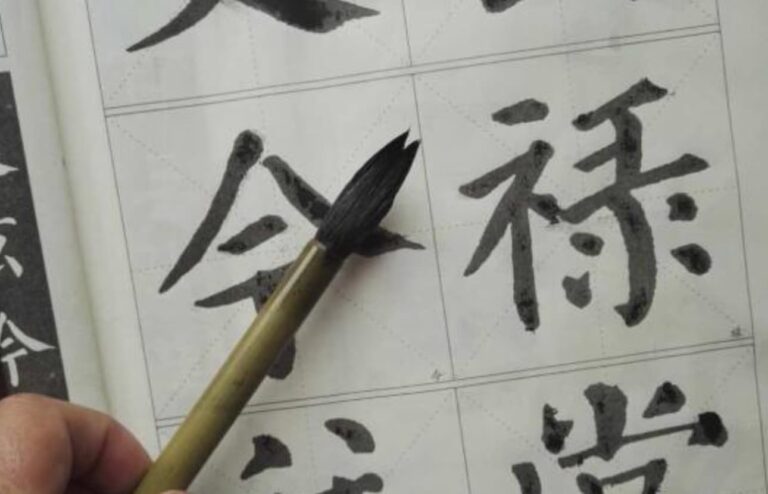
As I continue to explore the world of Chinese brushes, I often encounter references to Japanese brushes as well. So, where are Japan’s main brush production areas? How are Japanese brushes made? Today’s article focuses on Kumano, Japan’s primary brush-producing region, and details the manufacturing process behind these brushes. The steps involved are quite similar…
How to Fix Cracked Chinese Brush Handles: 4 Effective Methods

How to Fix Cracked Chinese Brush Handles: 4 Effective Methods

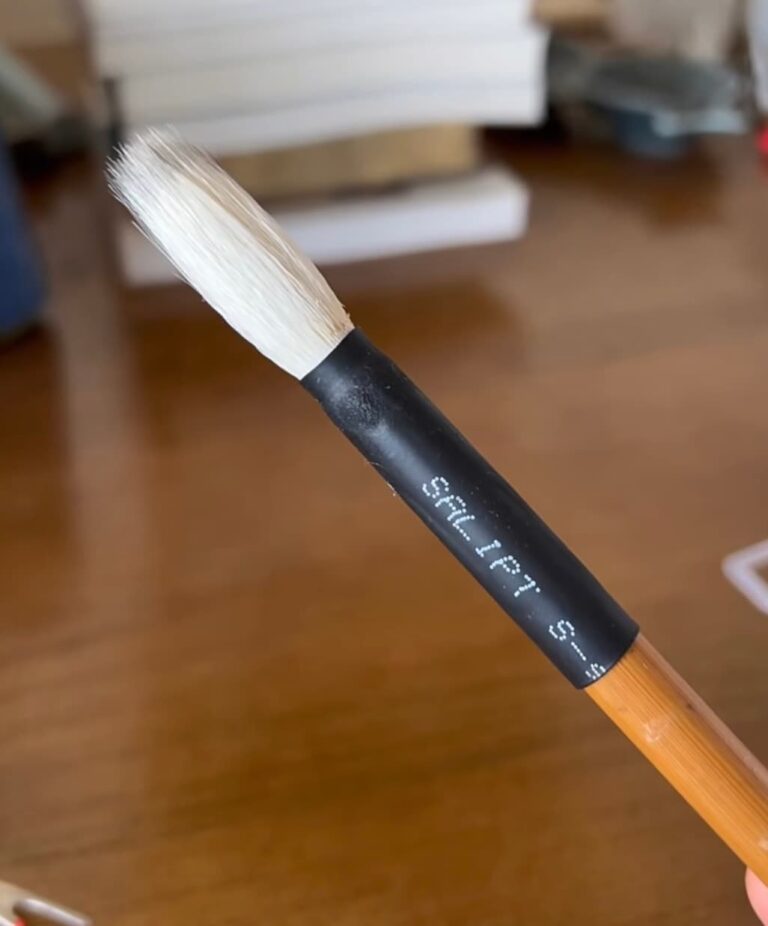
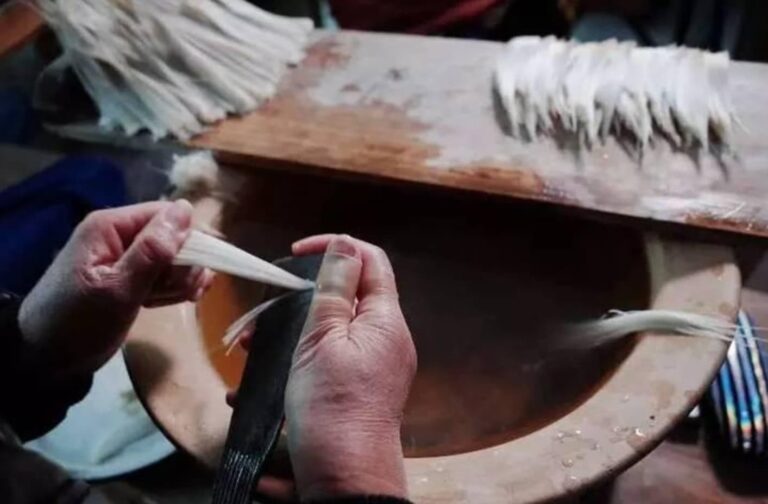
Cracked brush handles are a common problem that many calligraphy enthusiasts face. Most Chinese brushes have handles made from bamboo, which can crack when exposed to dry environments or when the brush head absorbs ink and water. The bamboo expands when wet and contracts when dry, causing the handle to crack. So how to fix…

Japanese vs Chinese Calligraphy Brushes: Key Differences

What is the difference between Chinese and Japanese brush

In our previous article, we explored Japan’s main brush-making regions and manufacturing processes. Now, let’s dive into a topic many calligraphers and artists are curious about: What is the difference between Chinese and Japanese brushes? While both are essential tools for East Asian calligraphy, their unique characteristics in hair, shape, and handle design can significantly…

Beyond the Four Virtues: What Makes a Truly Good Chinese Calligraphy Brush

Beyond the Four Virtues: What Makes a Truly Good Chinese Calligraphy Brush

What exactly makes a Chinese calligraphy brush good for writing? Ask a hundred people and you’ll probably get a hundred different answers. Traditional brush evaluation focuses on the “Four Virtues” (pointed tip, even body, round shape, and resilient strength), but is there a better standard for what makes a truly good Chinese calligraphy brush? I…

maobian paper

Which Side of Maobian Paper Should You Use for Calligraphy:Rough or Smooth?

Recently, many calligraphy beginners have asked me about which side of Maobian paper to use – the smooth side or the rough side. This question has come up frequently, and I previously conducted a survey in my fan group and posted this question on Qi Ming’s calligraphy QQ space. Many calligraphy enthusiasts shared their thoughts…

Chinese Calligraphy Brush Splitting: Prevention Tips and Easy Fixes

Chinese Calligraphy Brush Splitting: Prevention Tips and Easy Fixes

Many friends who are learning Chinese calligraphy have encountered brush splitting issues. What exactly causes Chinese calligraphy brush splitting, and how should we handle it when it happens? Today, Qi Ming will share some insights based on personal experience and methods from experienced calligraphers found online. Let’s discuss the causes of brush splitting and how…

chinese seal stamp generator

Free Chinese Seal Stamp Generator Online Guide

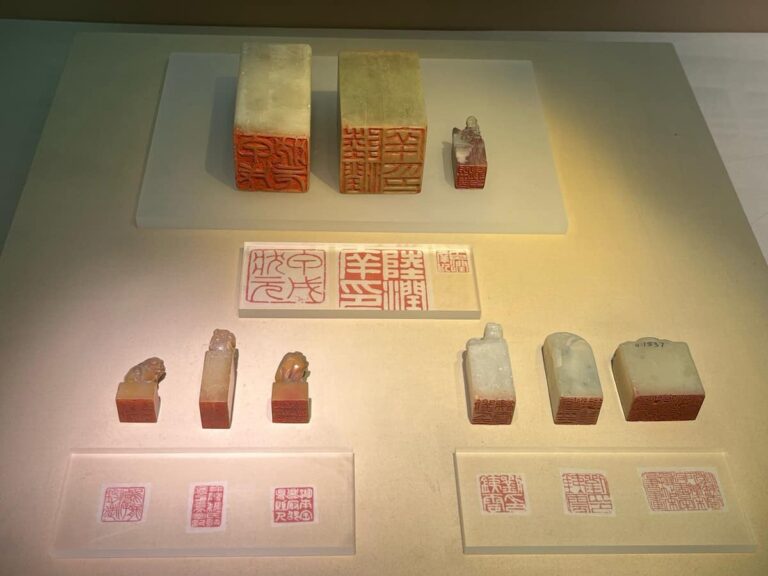
As a beginner in Chinese calligraphy, you might sometimes need to add a seal stamp to your digital scans of calligraphy or traditional Chinese painting works. However, getting a proper seal hand-carved by a skilled seal engraving artist is not easy.Fortunately, there’s a solution for urgent needs – the Chinese seal stamp generator! Today, Qi…