I’ve previously written a few articles on things Chinese calligraphy beginners should pay attention to — for example, ‘The Complete Guide to Self-Studying Chinese Calligraphy (Don’t Get This Order Wrong),’ which covers which script style is best to start with and how long you should practice. Today’s article looks at the topic from a different angle: five Chinese calligraphy practice rules every beginner should follow. I think these principles make a lot of sense, so I’m sharing them here.
1. Practice Large Chinese Characters Before Small Ones
When learning Chinese calligraphy, you should practice large characters before moving on to small ones. If you jump straight into small regular script (小楷) without any foundation, you’re basically trying to write the hardest style of characters with skills you haven’t built yet. (This is also something I mentioned in my earlier article, “Why Beginners Should Start with Seal Script Calligraphy.”)
There are three main benefits to practicing large characters first:
It helps you master pressure control and Chinese brush technique.
When writing large characters, your arm and wrist move through a bigger range of motion. This makes it easier to feel how pressing down, lifting up, pausing, and turning the Chinese brush actually work, along with how your whole body coordinates the movement. Beginners can pick up on these patterns much more easily with large characters. If you start with small characters right away, the limited space often leads to stiff, awkward strokes.
It helps you understand character structure.
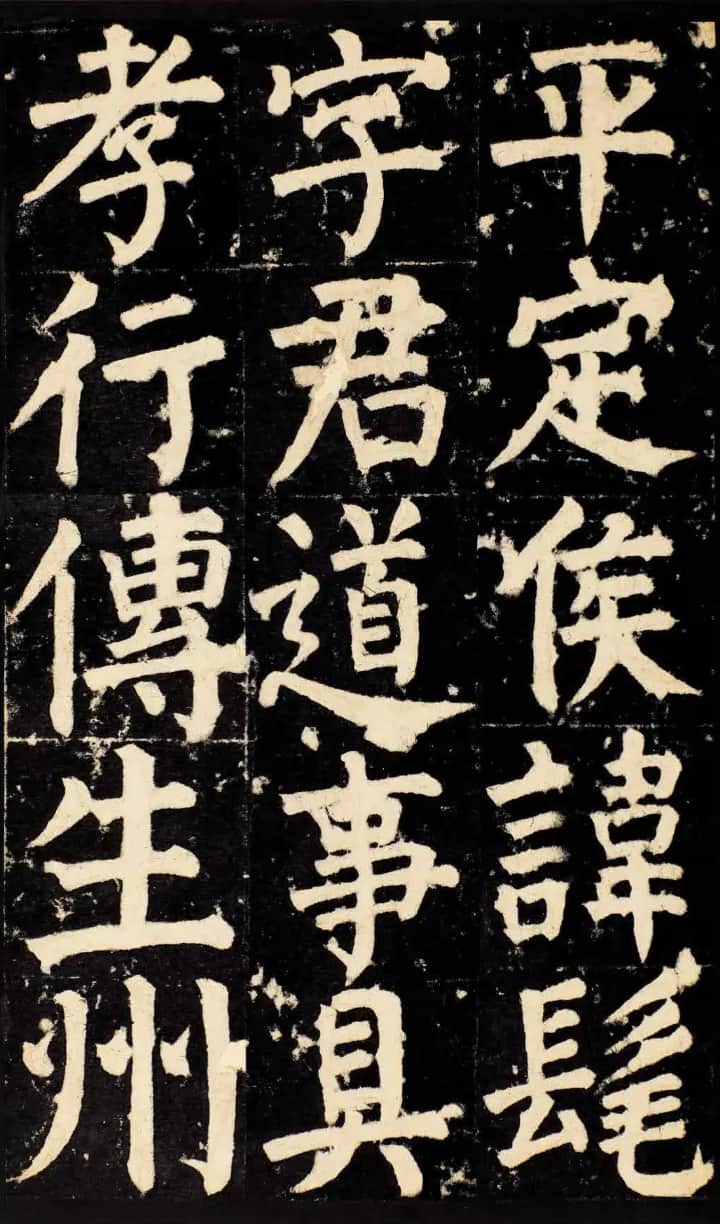
With large characters, the overall structure is much clearer. It’s easier to see and adjust things like stroke length, spacing, and how strokes overlap or interact. By practicing large characters first, beginners build a solid understanding of how Chinese characters are structured overall — which makes it much easier to control structure precisely later when writing small characters.
It builds a sense of strength and flow.
Large characters call for an open, confident style, and practicing them helps develop a feel for brush momentum and strength. This sense of “momentum” carries over naturally into small character writing, so even small characters end up looking strong and lively instead of weak and flat.
Practicing large characters first is really about building a foundation. It lets beginners learn the core elements of Chinese calligraphy under easier conditions before moving on to small characters, where it’s then much easier to control fine details — going from large to small, and from loose to precise.
2. Chinese Calligraphy Practice Rules-Write Slowly Before Writing Fast
Writing slowly first is like learning to stand steady before you start walking.
When you’re just starting out, writing slowly lets you pay close attention to how each stroke starts, moves, and ends — and helps you notice the changes in pressure, the connections between strokes, and how the structure fits together. Writing too fast too soon means you’ll likely miss key details in Chinese brush technique and structure, so your movements won’t be accurate or controlled. (I touched on this in another article, “Why I Recommend Beginners Start with Seal Script.”)
Once you’ve built a solid foundation, you can pick up speed. Faster writing helps the strokes connect naturally and makes the overall flow smoother. Slow practice is about building a foundation and getting things accurate; fast practice is about achieving fluency and bringing out personality in your writing. Going from slow to fast lets your Chinese calligraphy practice progress step by step, eventually reaching a stage where the form and the spirit of the writing come together.
3. Specialize in One Chinese Calligraphy Style Before Branching Out
If you try to copy many different styles right from the start, you’ll likely end up mixing up the brush techniques of different systems — for example, the precision required by regular script versus the flowing freedom of running script — and end up not mastering any of them well. This can even lead to confused technique and a style that doesn’t hold together.
Instead, focus your energy on deeply studying one script style or one master’s approach first — for example, specializing in the regular script styles of Yan Zhenqing or Ouyang Xun, or studying a clerical script classic like the “Cao Quan Stele” (曹全碑). This lets you systematically learn the rules of brush technique, structure, and composition for that one style, building consistent habits and a solid sense of aesthetics.
Once you’ve mastered one style or approach to a certain level, you can branch out and explore others. At that point, you’ll be in a much better position to understand the similarities and differences between styles and bring them together. This kind of “branching out” isn’t about blindly copying everything — it’s about using what you’ve already specialized in as a reference point, picking out the best qualities from other styles, and gradually developing your own personal style.
4. Copy Classic Chinese Calligraphy Before Creating Your Own
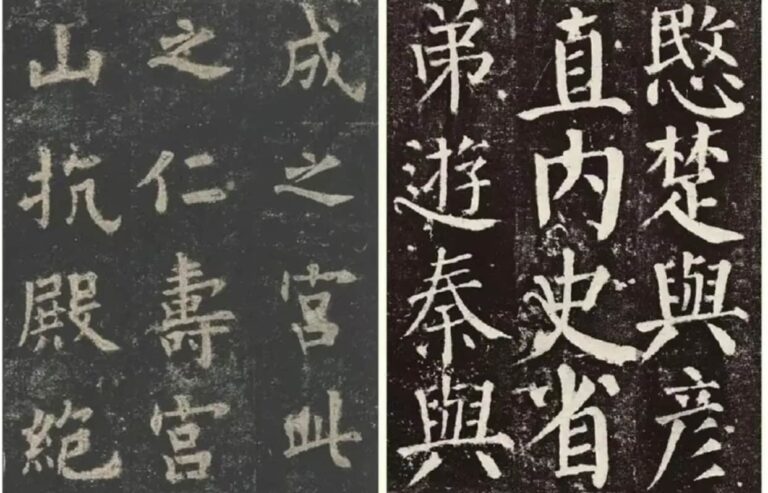
Classic steles and rubbings (碑帖) from past masters represent generations of accumulated wisdom about brush technique, structure, and overall artistic feel. Studying them directly — the details of how strokes start and end, how character structure is balanced, and how composition works — helps you avoid wasting time figuring things out on your own and builds up your sense of aesthetics.
Creating original work should be built on a real understanding of tradition. Straying too far from that foundation just results in poorly executed, undisciplined writing. When you copy classic works, you’re building up a personal library of brush techniques, character structures, and aesthetic sensibilities that you can later draw on when creating your own work. Writing with no structure and no foundation isn’t really “creating” anything — and it has no artistic value.
Copying classic works is about absorbing knowledge. Creating original work is about applying and expressing that knowledge. Once you’ve thoroughly mastered traditional techniques, you can combine your own understanding, emotions, and modern aesthetic sensibility to create work with real personal character.
Copying is about learning the rules; creating is about putting those rules to use. Going from copying to creating lets your Chinese calligraphy practice stay rooted in tradition while still allowing for personal expression — instead of being disconnected from any real foundation.
5. Practice with a Chinese Brush Before Switching to a Hard Pen
First, the tip of a Chinese brush is flexible, so the changes in pressure as you write are much more noticeable. This makes it easy to clearly see details like stroke thickness, ink tone, and turns in the stroke. Through Chinese brush practice, beginners get a much clearer sense of the full process of starting, moving through, and finishing a stroke — along with how to apply “strength” and keep a consistent sense of “flow,” both of which are core to Chinese calligraphy technique.
Second, writing with a Chinese brush is usually done at a larger size, which makes it easier to observe and adjust the spacing and how strokes interact within a character. Once you’ve built up this overall sense of character structure through Chinese brush practice, it becomes much easier to control the layout and proportions of smaller writing when you move on to hard pens, avoiding structures that feel loose or cramped.
Third, there’s a transferable skill aspect. A hard pen tip is stiffer, so the way brush technique shows up is simpler — but the underlying rules of structure and writing rhythm are the same as with a Chinese brush. If you master Chinese brush technique and structural logic first, picking up hard pen writing afterward tends to go faster, and your handwriting ends up both neat and strong, avoiding the stiffness or sloppiness that hard pen writing can otherwise fall into.
Chinese brush practice works like a magnifying glass — it shows you the core techniques of Chinese calligraphy in an exaggerated way so you can build a solid foundation. Hard pen writing is more like a simplified version, where you apply what you learned from Chinese brush practice to write more efficiently in daily life.
(On this particular point, I think it really depends on the person. For elementary school students, I’d strongly recommend learning hard pen writing well first, since that’s a practical necessity — not many teachers enjoy grading messy, hard-to-read handwriting. Also, learning hard pen writing well can actually make it easier to grasp Chinese character structure later, since everyday practical writing doesn’t require as much artistic flair — it’s more about being clear and legible. Once you start learning Chinese calligraphy with a brush, even just copying classic works requires artistic sensibility, including things like balance, contrast, and spacing. I’m not saying hard pen writing ignores these things entirely — it’s just that everyday hard pen writing doesn’t demand as much. As for adults, I think it doesn’t really matter whether you start with the Chinese brush or hard pen first — just go with whatever interests you. Some people just enjoy writing with a fountain pen every day, while others prefer working with a Chinese brush.)