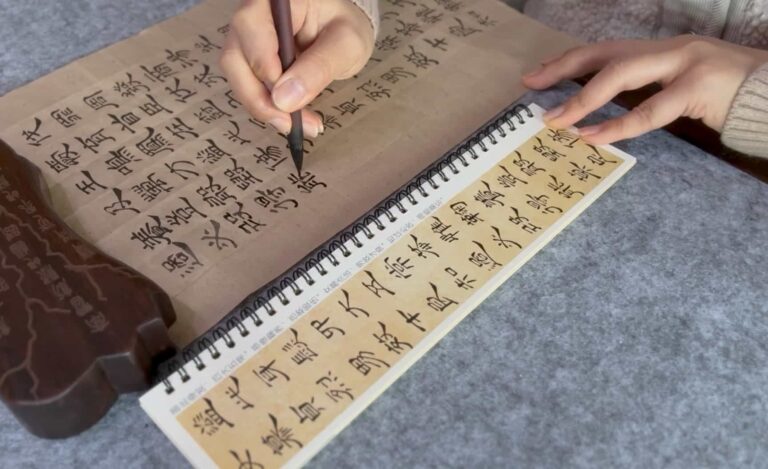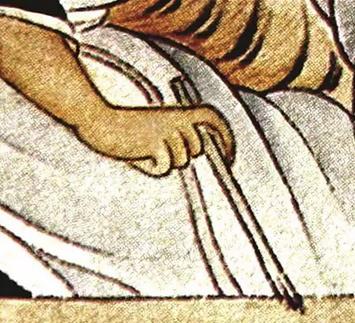
Stroke joining is one of the biggest challenges for Seal Script beginners — and one of the most important skills to develop. This article breaks down the techniques, common joining patterns, and essential rules you need to know.
Part 1: What Is Seal Script Stroke Joining
In Seal Script (篆书), some strokes simply cannot be completed in a single brush stroke. When that happens, you need to break what looks like one unified stroke into two or more separate parts, then connect them together at the end. The goal is to make the final result look completely natural — as if it were written in one continuous motion, with no visible seams.
For beginners, this is often one of the most confusing parts of learning Seal Script. When faced with a complex stroke, many students don’t even know where to start — where the stroke begins, where it ends, or how to join the pieces together. On top of that, where you choose to make the join can dramatically change both the difficulty level and the final appearance of the character.
Stroke joining is truly a core technique in Seal Script. It directly affects how smooth and flowing the character feels. Mastering it requires careful control of brush tip hiding (藏锋), smooth transitions, and consistent pressure throughout.
Part 2: Seal Script Joining Techniques
Section 1 — Hiding the Join: Tip Control and Transitions
Technique 1: Don’t pull back on the first stroke — let the second stroke flow right in
The join point should be invisible. When finishing the first stroke, don’t deliberately pull the brush tip back inward. Instead, lift out cleanly and quickly — the brush hair should exit in a swift, decisive motion as the first stroke comes to an end.
Then bring the second stroke directly into the joining position. The area where the two strokes overlap naturally covers the seam. Before the second stroke is fully connected, move carefully and make sure the joint is properly aligned. Once the connection is clean, you can exit confidently and quickly.
Technique 2: Hide the entry, protect the exit, and keep the brush centered
In Seal Script, strokes typically begin with a reverse entry (逆入藏锋) — pushing the brush tip slightly against the direction of travel before starting. At the end of a stroke, lift slowly and gently.
Pay close attention to rhythm: not every part of a stroke is written at the same speed. When approaching a junction, slow down. Once the connection is made, you can pick up speed again. Throughout it all, keep the brush centered (中锋行笔) so the lines stay round, strong, and even — avoid exposing the tip or creating stiff, choppy pauses.
Section 2 — Handling Curved and Symmetrical Strokes
Technique 1: Split arcs into two halves and connect naturally in the middle
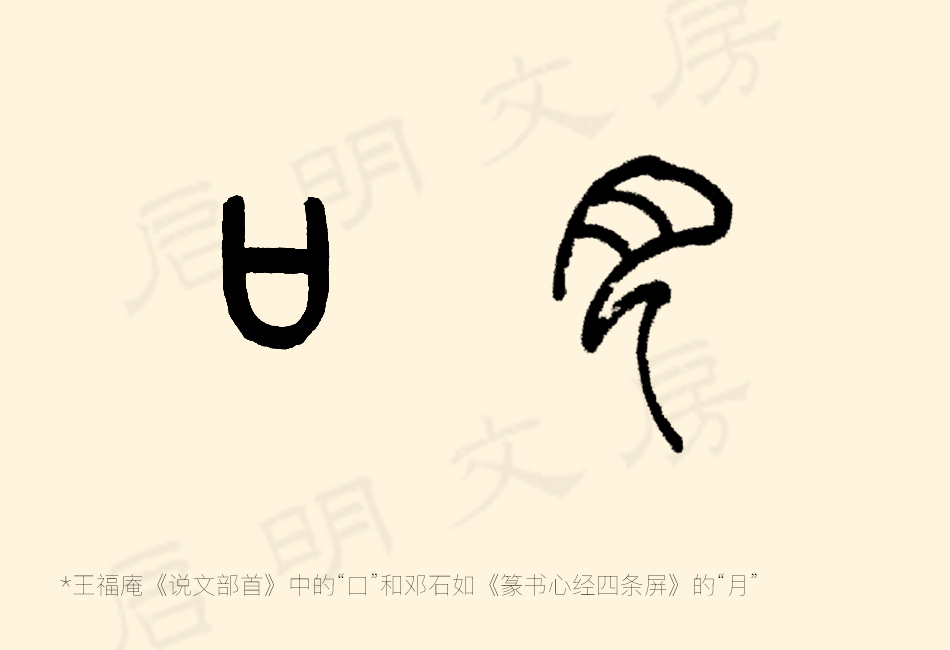
Curved strokes — like the outer frames of characters such as “口” (mouth) or “月” (moon) — are written in two halves. The left arc and the right arc meet in the middle. Keep your brush speed steady and the energy flowing continuously.
Technique 2: Keep symmetrical strokes balanced and consistent
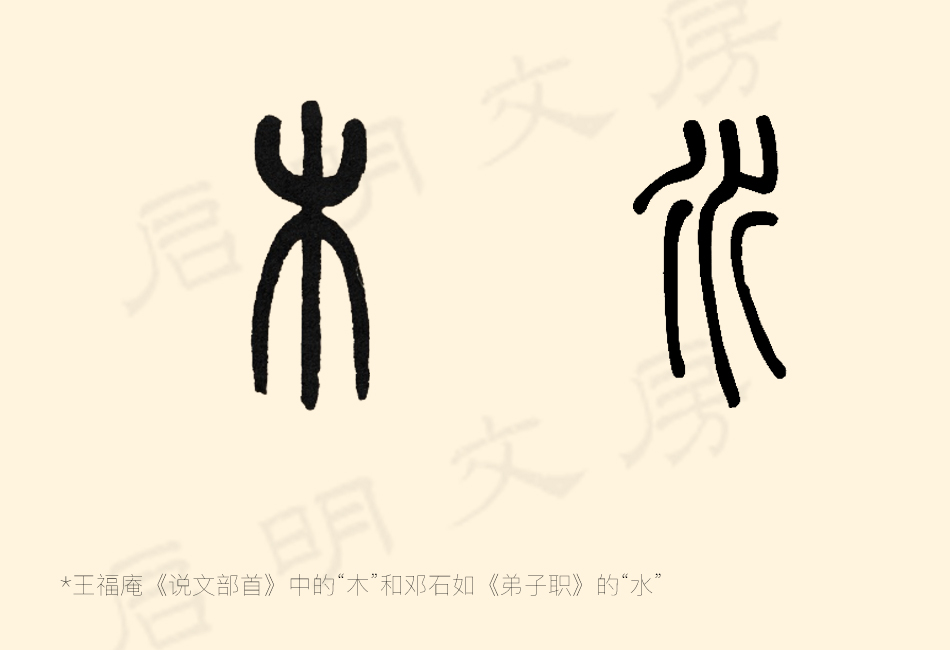
For left-right symmetrical joins — such as in characters like “木” (wood) or “水” (water) — make sure the starting position, curve angle, and ending pressure on both sides match each other. The character’s visual center of gravity should feel stable and even, with no leaning to either side.
Section 3 — Special Stroke Combination Techniques
Technique 1: Round off square corners for smooth transitions
For box-shaped structures — like “围” (surround) or “日” (sun/day) — use rounded, flowing turns instead of sharp right angles. At each corner, transition through a gentle arc to avoid stiff, jagged edges.
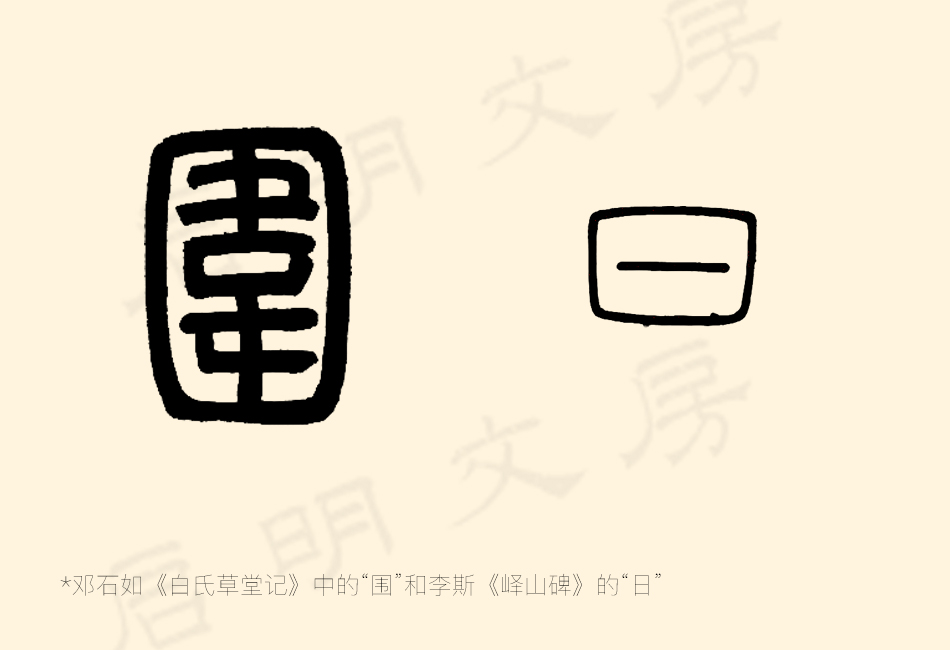
Technique 2: Write complex curves in one continuous flow
For strokes with multiple curves — such as in “多” (many) or “异” (different) — control your rhythm carefully. Rotate the brush handle slightly as needed to redirect the tip, and keep the line smooth and consistently pressured from start to finish.
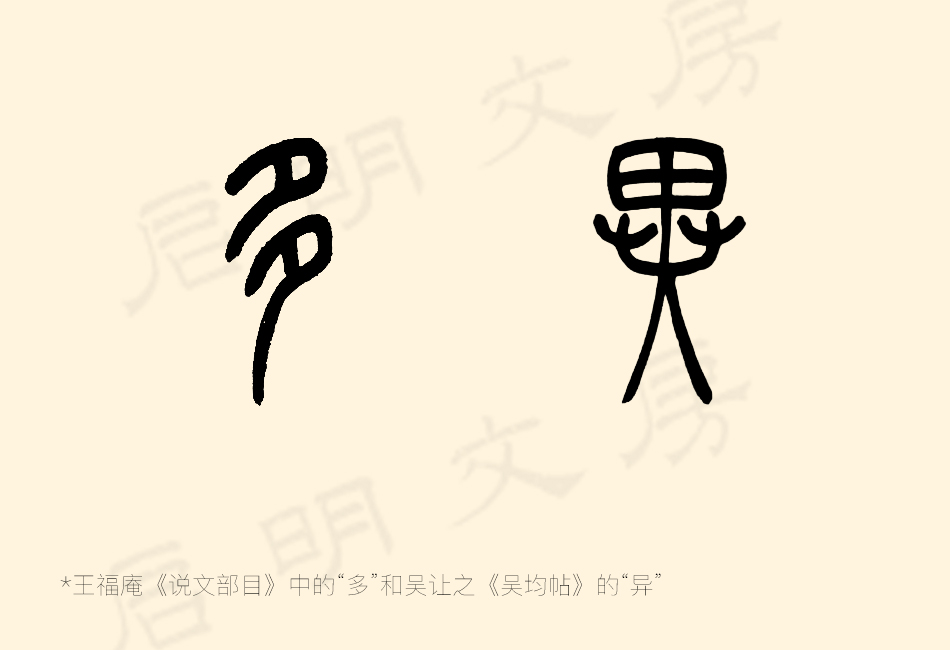
Part 3: Practice Tips
- Lead with the main stroke, follow with the secondary strokes. Write the primary stroke first to establish the overall shape of the character, then handle the joining strokes around it. This keeps your work clear and well-organized.
- Balance pressure and speed. Keep pressure even throughout the joint. Slow down slightly at turns to build up energy, then speed up along straight sections to project strength and vitality.
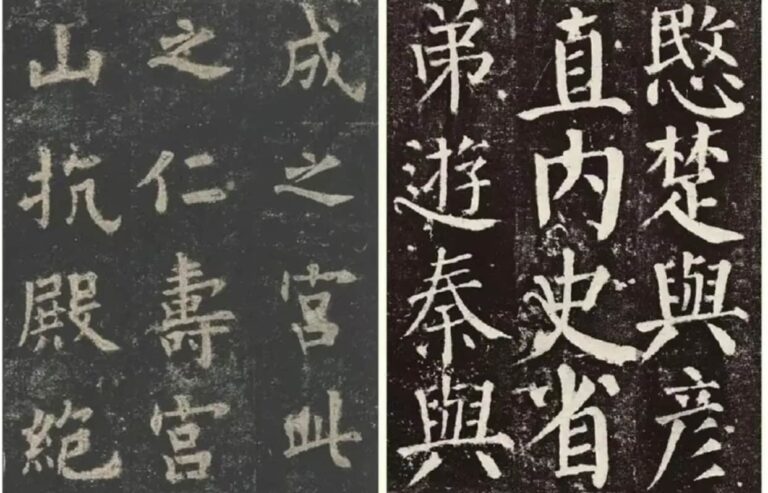
- Study the classics and analyze joins. Copy from classic stele works such as Li Si’s Yishan Stele (李斯《峄山碑》) and Deng Shiru’s Seal Script Thousand Character Classic (邓石如《篆书千字文》). Pay close attention to how the brush moves through each join and how the surrounding space is arranged.
Part 4: Three Core Principles to Follow
Seal Script demands a calm, focused mind and a consistently centered brush. Since joining is one of the hardest parts of the writing process, always aim for invisible, seamless connections. Keep these three principles in mind:
Principle 1: If you can write it in one stroke, do it.
For those with strong brush control, avoid joining whenever possible. If a stroke can be completed without breaking it up, don’t split it.
Principle 2: But don’t obsess over avoiding joins.
Joining is a completely normal part of writing Seal Script. Some enclosing frames — like the “口” box shape — absolutely must be joined. If you try to force it into one stroke, the brush will almost certainly twist and tangle, making the next stroke much harder to execute cleanly.
Principle 3: When you do join, make the second stroke as easy as possible.
Design your first stroke to cross as many turns and curves as possible. That way, the starting point of the second stroke lands in a natural, comfortable position — easy to place and easy to transition from.
Part 5: Common Seal Script Joining Exercises
To help you put all of the above techniques into practice, Qi Ming Teacher has compiled a set of common joining exercises for your reference.
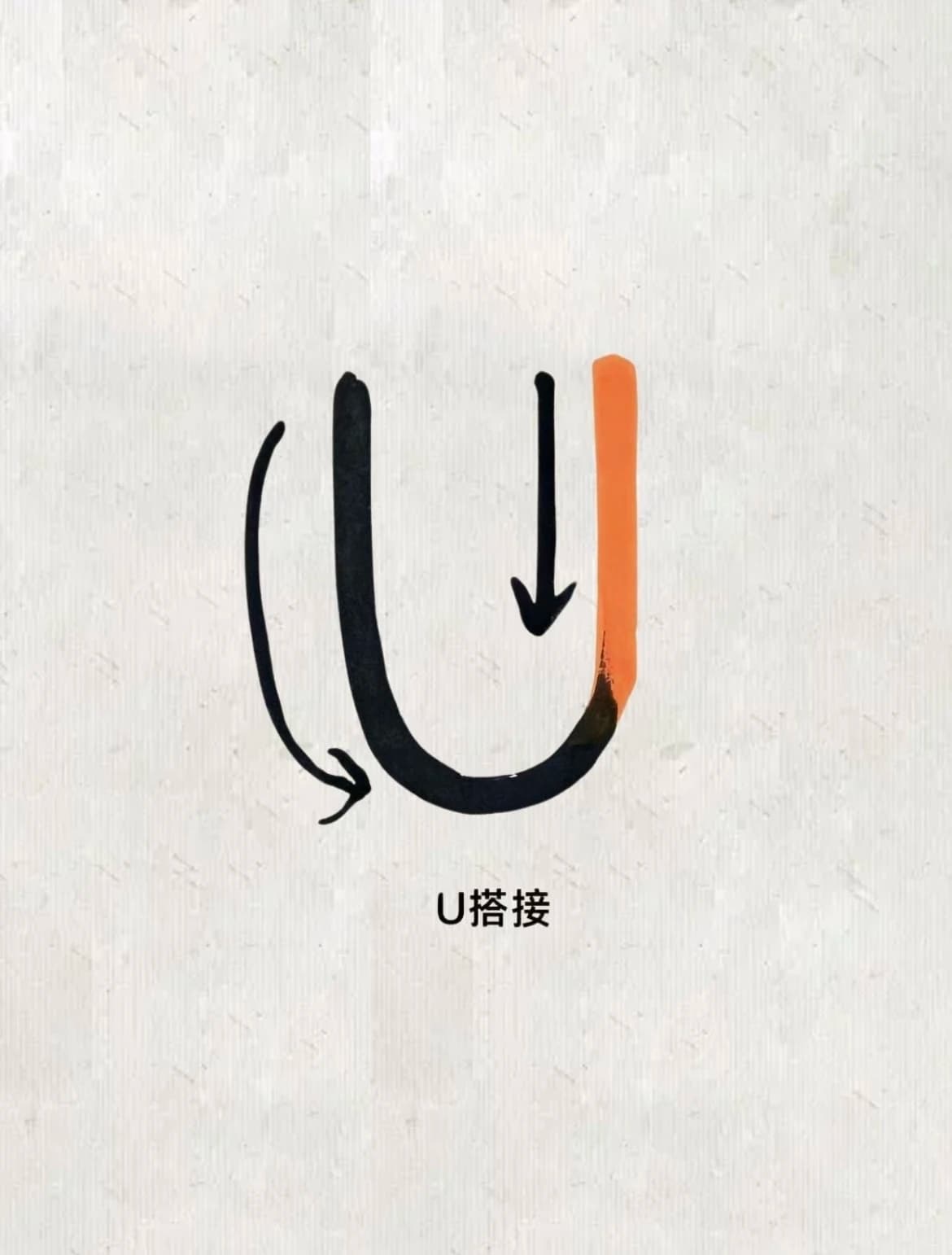
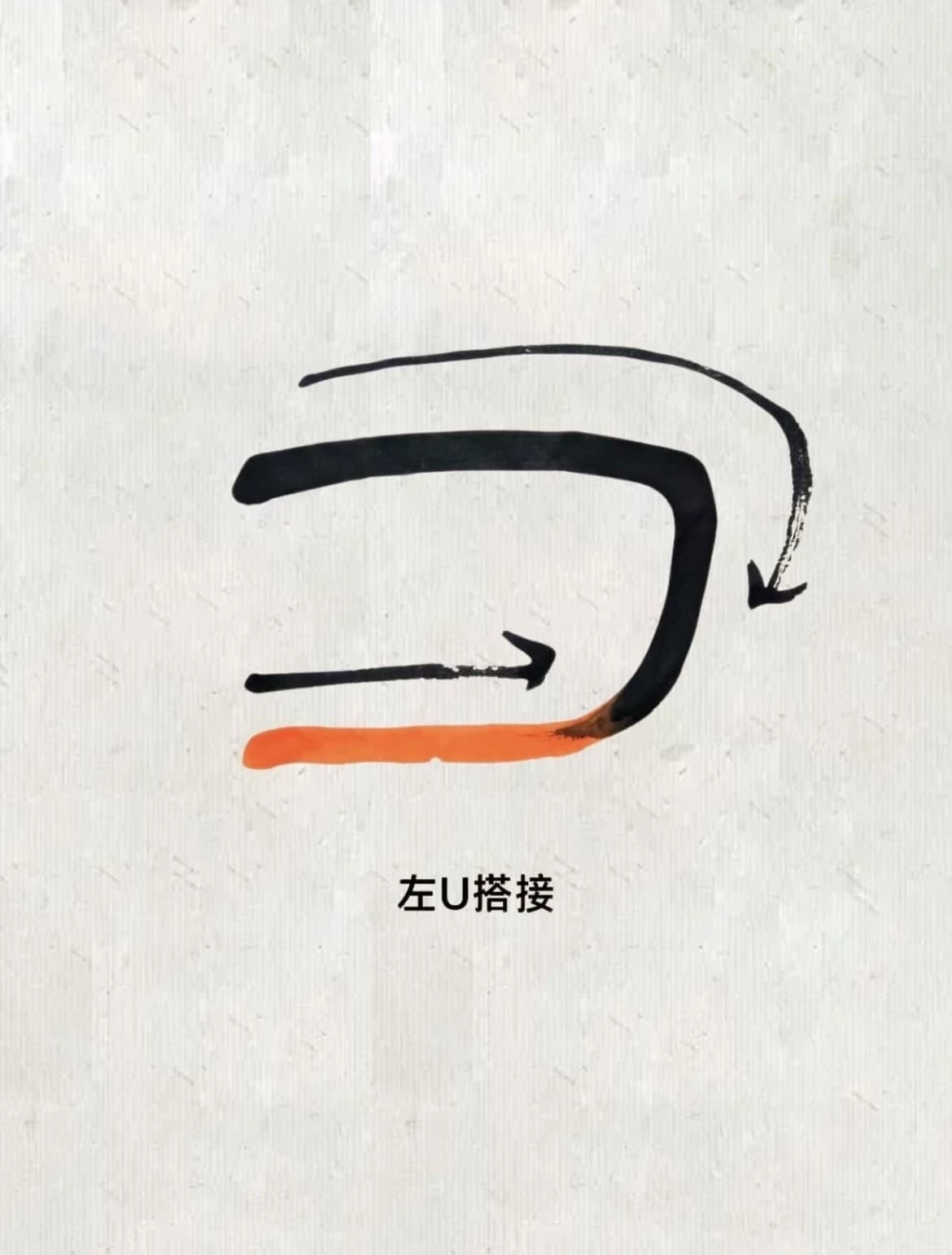
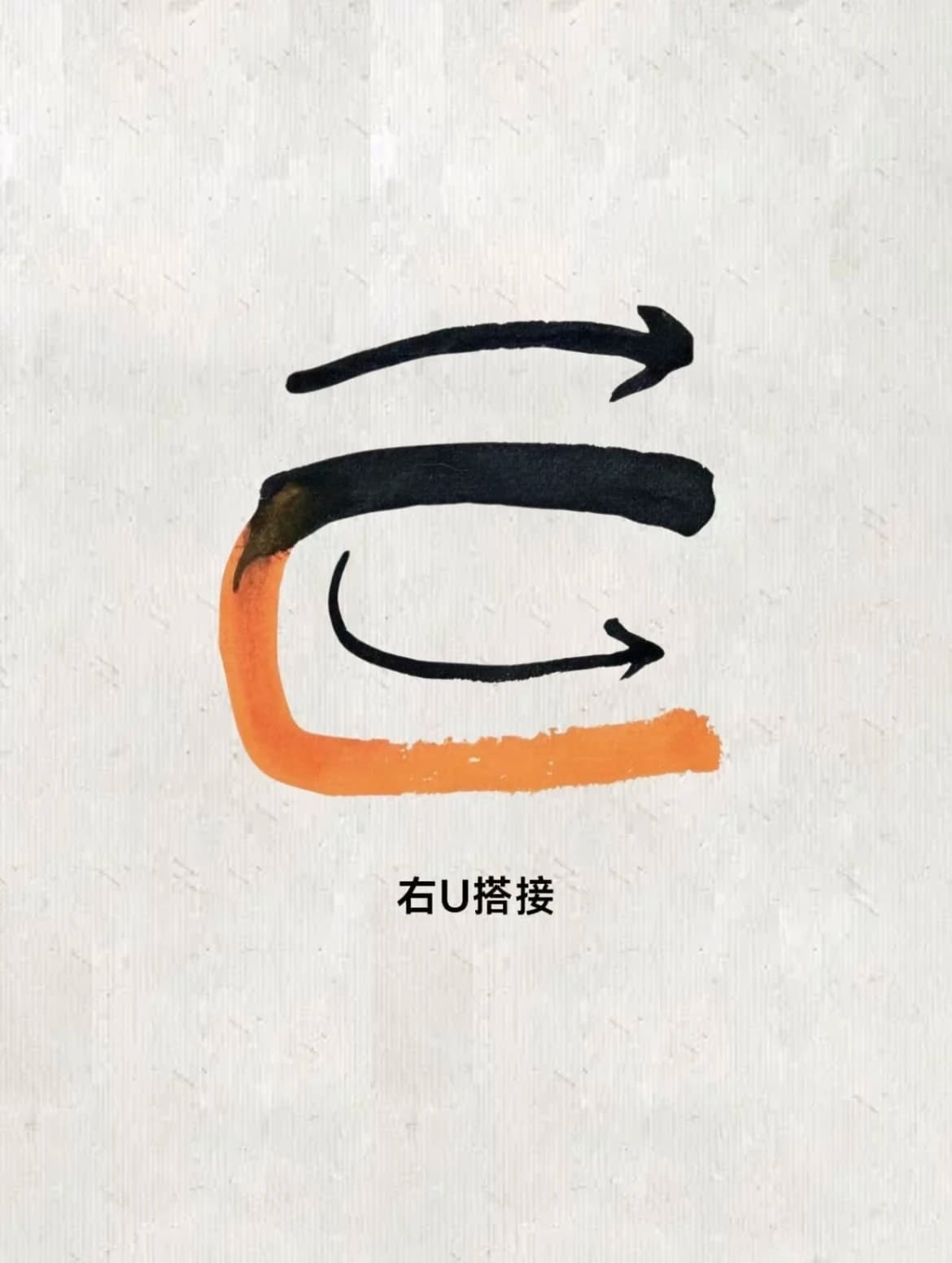
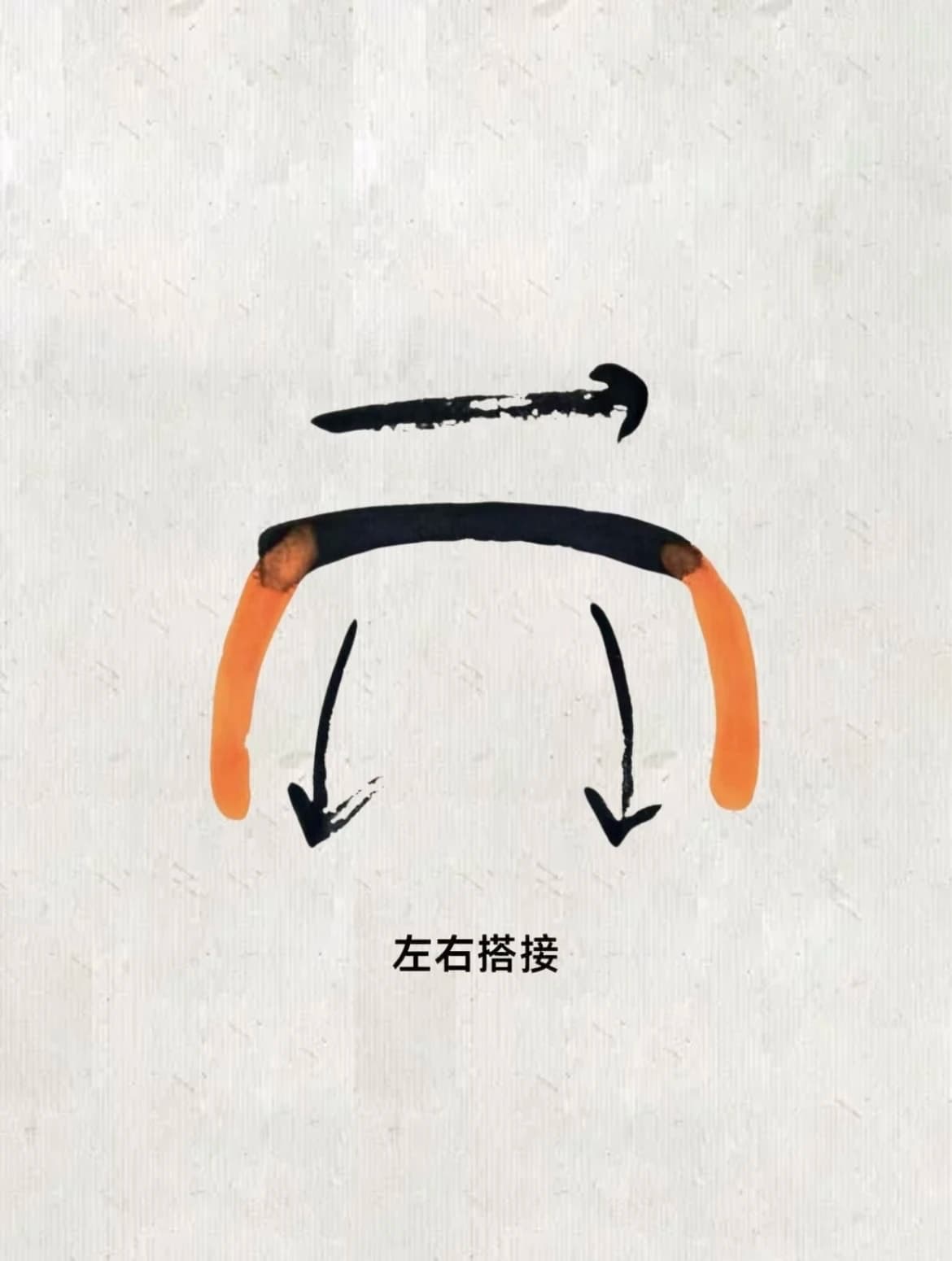
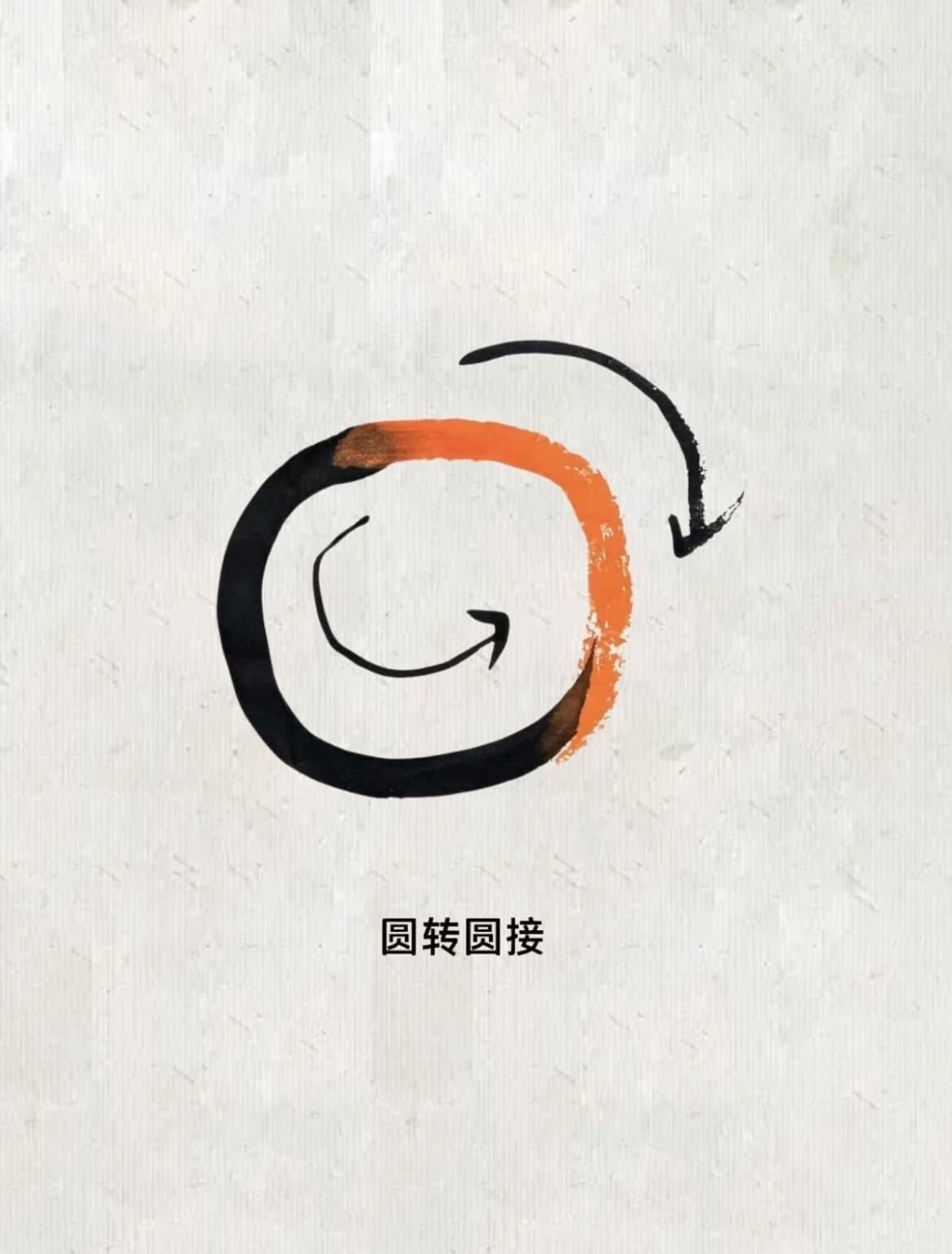
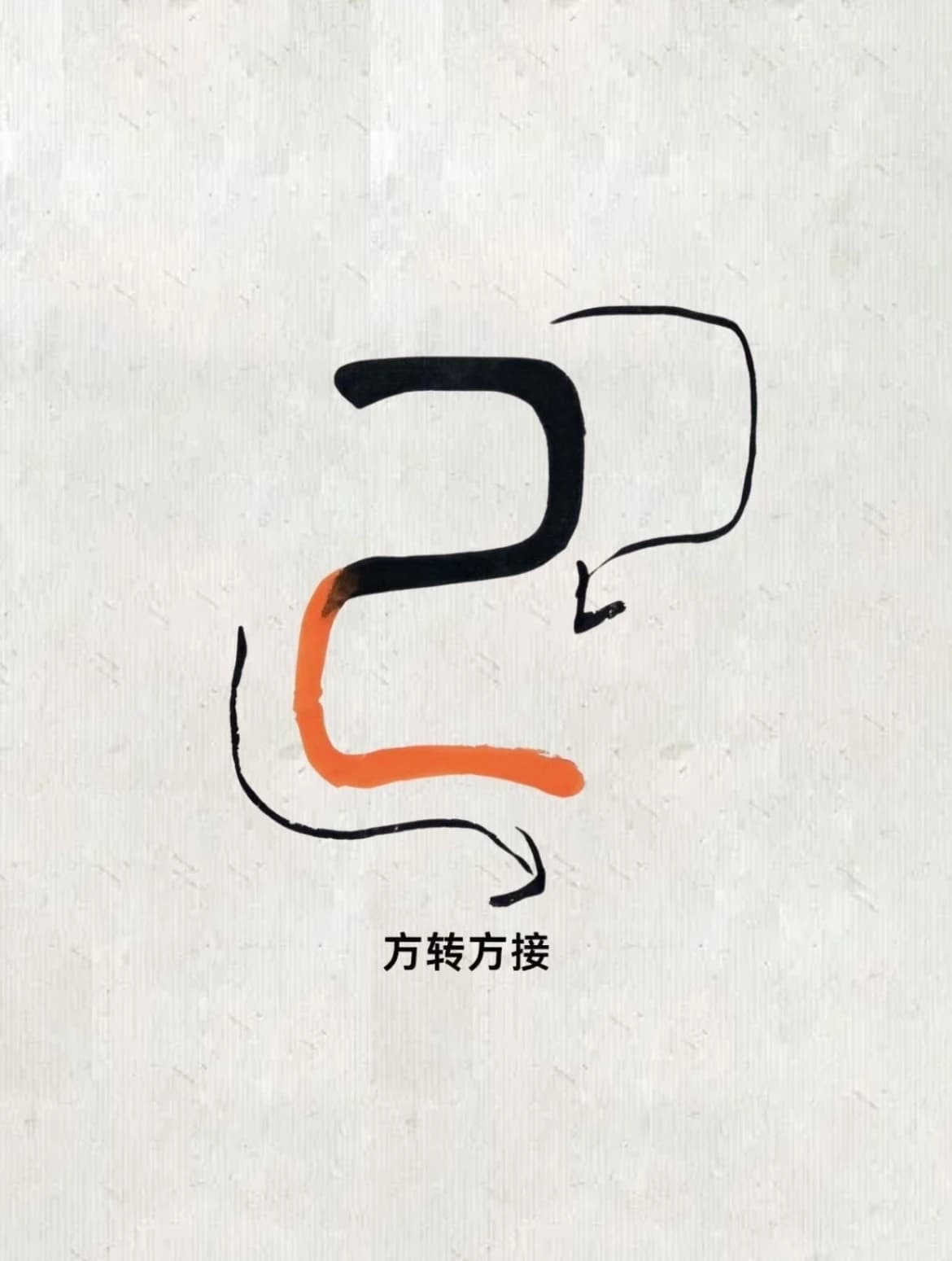
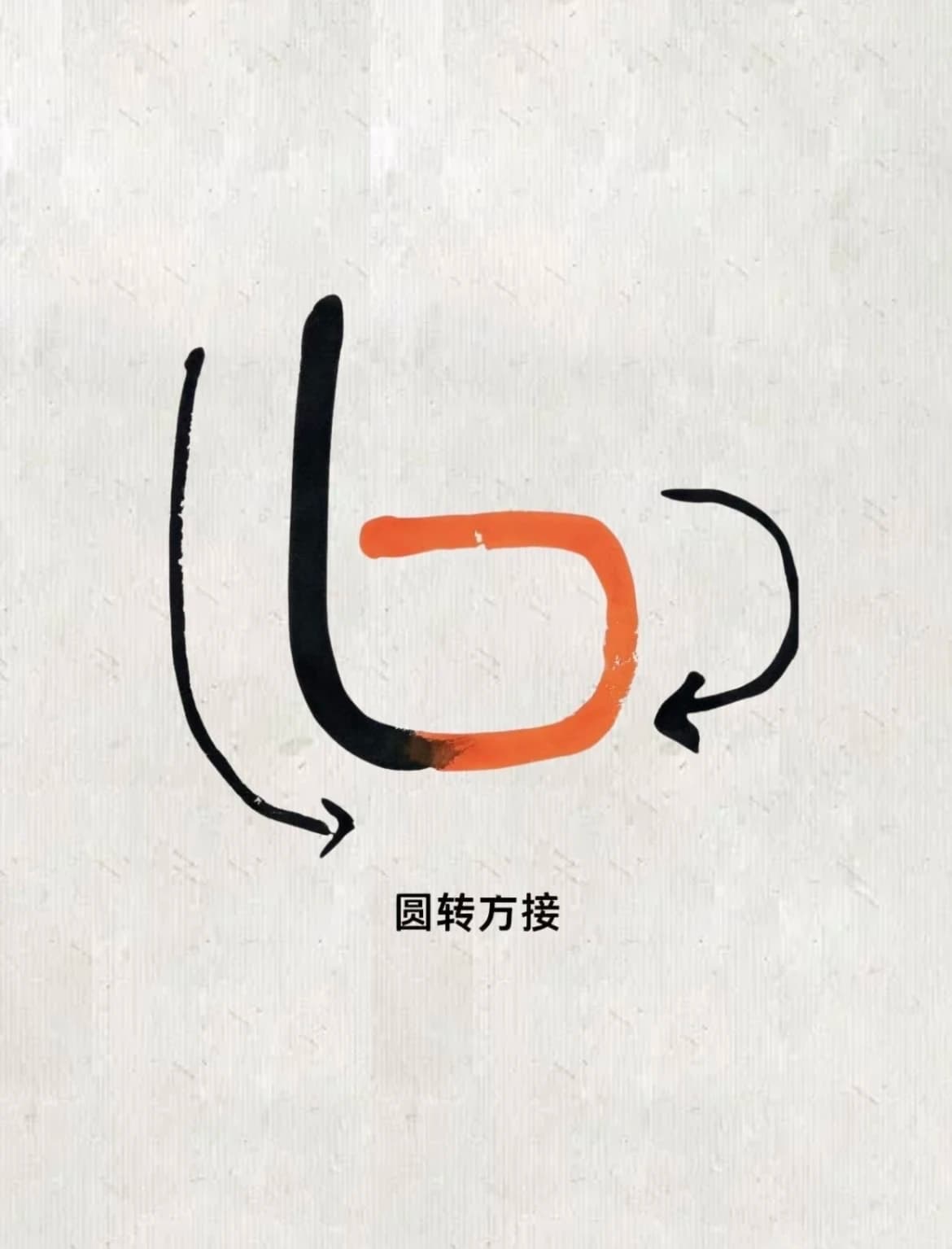
That covers everything in this guide about stroke joining in Seal Script. By combining these techniques with consistent, focused practice, you’ll steadily develop the ability to create seamless, fluid joins — the hallmark of beautiful Seal Script — and elevate both the harmony and artistry of your writing overall.